
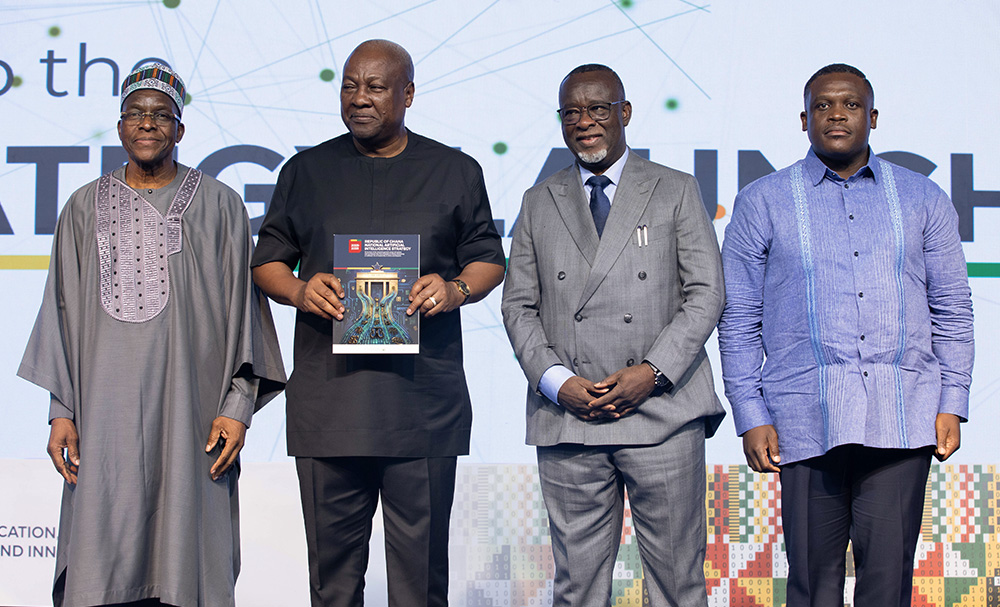
The Kwame Nkrumah University of Science and Technology, Kumasi (KNUST) has emerged as a central force in shaping Ghana’s digital future, following its pivotal role in drafting the country’s National Artificial Intelligence (AI) Strategy.
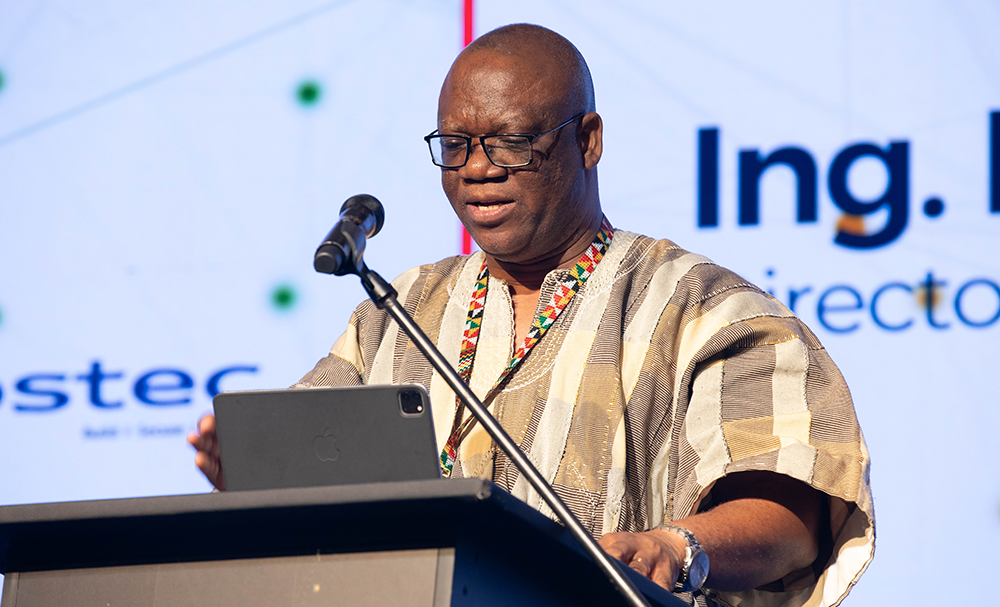
This was highlighted by the Principal Investigator at KNUST’s Responsible AI Lab (RAIL), Prof. Jerry John Kponyo during his presentation at the official launch of the Republic of Ghana’s National Artificial Intelligence Strategy in Accra.
He emphasised that the framework is the result of a rigorous, collaborative and research-driven process, with KNUST playing a leading technical and intellectual role.
“This strategy is not the product of a single office. It is the result of extensive research, stakeholder consultations, and a strong shared commitment to Ghana’s digital future,” he stated.
KNUST’s Responsible AI Lab was instrumental in coordinating the strategy’s development, working alongside government, international partners and private sector actors. The University also hosted critical academic consultations that shaped the final framework.
Prof. Kponyo noted that KNUST convened scholars and experts to define actionable steps for Ghana’s AI roadmap, reinforcing the institution’s reputation as a hub for cutting-edge research and policy innovation.
According to him, the strategy sets an ambitious vision to transform Ghana into a leading AI hub in Africa by 2035, with a focus on developing human capital, infrastructure and local innovation ecosystems.
“By 2035, we are looking at a transformed society where Ghanaians have the capabilities and the enabling environment to be competitive in the global digital economy,” he said.
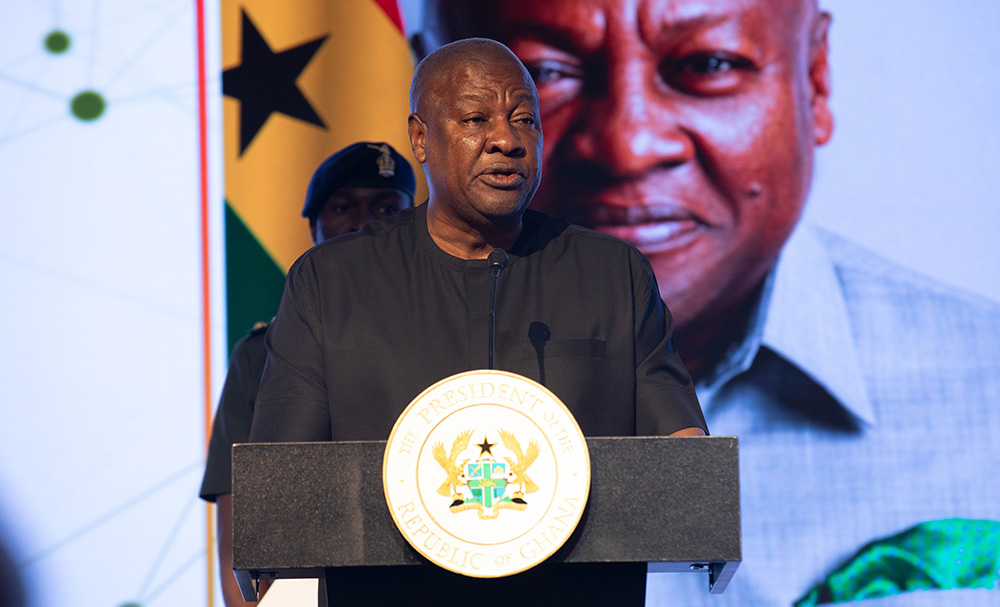
Launching the strategy, President John Dramani Mahama acknowledged the depth of academic input that informed the framework, highlighting contributions from institutions such as KNUST in ensuring that it is research-driven and aligned with national development priorities.
He described the initiative as a turning point in Ghana’s development trajectory, signalling a deliberate move towards a digitally empowered and innovation-driven economy.
“Will not be just a passive consumer of technologies shaping the future, but an active participant in designing, governing and deploying them for our national transformation,” he stated.
President Mahama further assured that the government would adopt a human-centred approach to AI, prioritising inclusion, job creation and skills development.
To support implementation, he announced that the government will invest $250 million to establish a world-class AI computing centre and an additional $20 million to support the short- to medium-term rollout of the strategy.
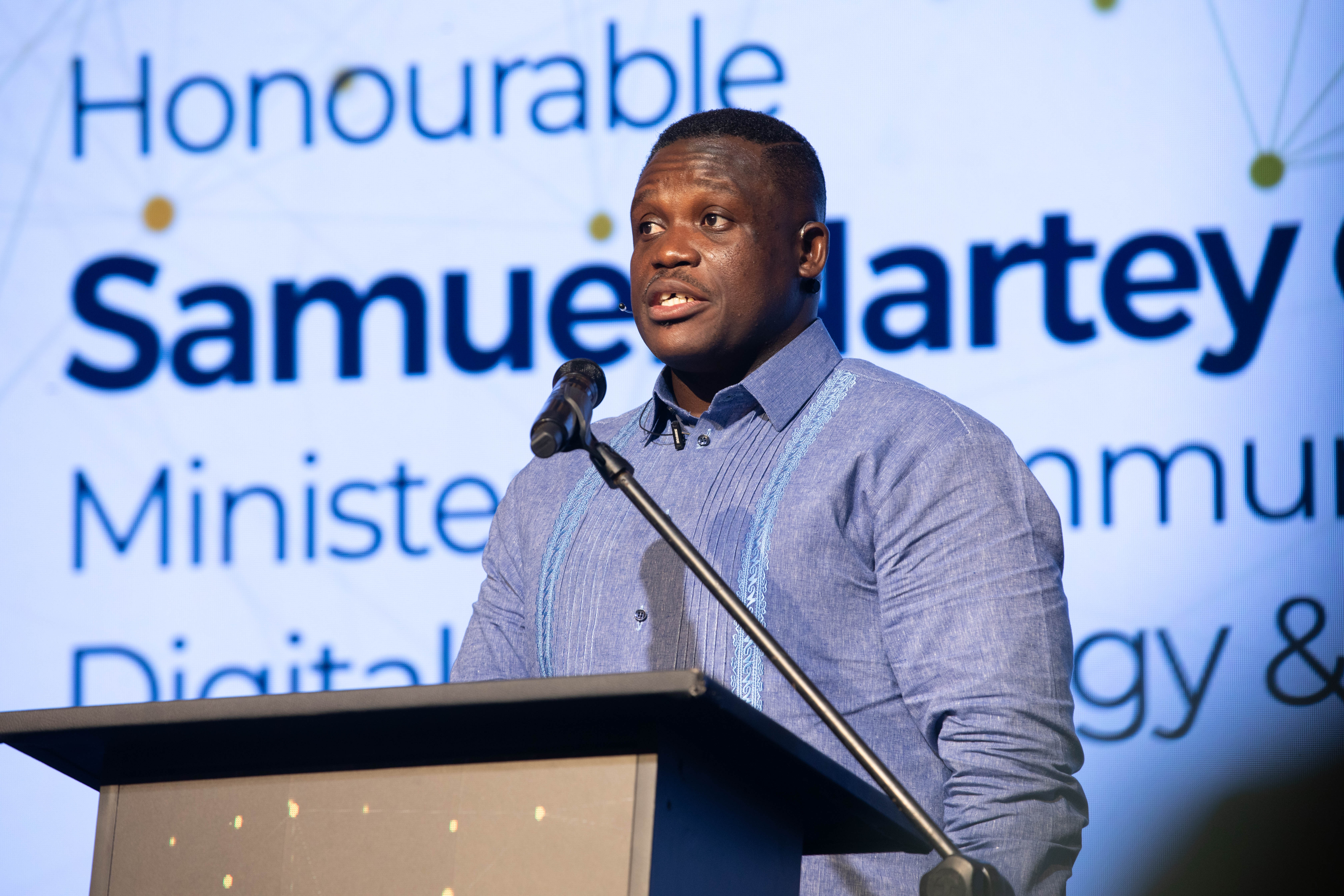
The Minister for Communication, Digital Technology and Innovations, Samuel Nartey George, lauded KNUST’s Responsible AI Lab and other stakeholders for their contributions.
“This strategy is not solely the work of the Ministry. It reflects the collective intelligence of a nation,” he said.
The Pro Vice-Chancellor of KNUST, Prof. David Asamoah, was also present at the event, joining other key stakeholders to mark the milestone and reaffirm the University’s commitment to advancing Ghana’s digital and technological future.
| Story: Michael Kwawu | Photos: Rueben Kporsu |


